What Happens If a VA Appraisal Comes in Low? (Tidewater Explained)
Mar 25, 2026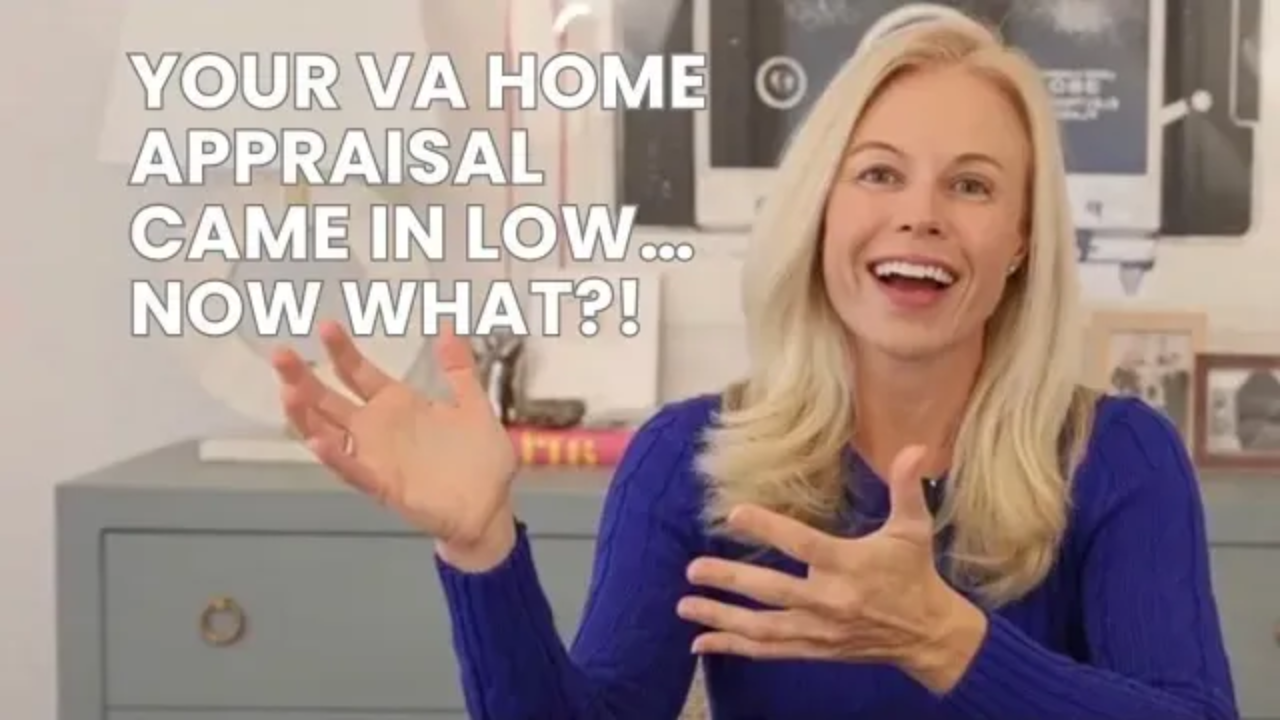
Happy VA Wednesday! We’re going deep into appraisal land today.
If you're buying a home with a VA loan and the appraisal comes in low, I need you to know something upfront:
You are in a better position than almost any other loan type.
If you want to watch or listen to the full breakdown, here’s the video: Your VA Home Appraisal Came In LOW, now What?
First, VA Is Different (In a Good Way)
I’ve been doing this for 19 years, and I’ll tell you straight:
If an appraisal is going to come in low, I would much rather it be on a VA loan.
Why?
Because VA gives you multiple layers of protection that conventional and FHA simply don’t.
How the VA Appraisal Process Works
Here’s what makes VA unique:
- The lender orders the appraisal through the VA portal
- The VA assigns the appraiser (not the lender)
- The VA sets the appraisal fee
- The appraiser evaluates the property independently
So if anyone ever tells you:
“Use my lender, they have better appraisers”
Nope. Not how VA works.
What Is “Tidewater”?
This is where VA really stands out.
If the appraiser thinks the value will come in low, they don’t just submit it.
They issue something called Tidewater.
Think of it like a heads-up:
“Hey… this value doesn’t make sense. Show me how you got here.”
At that point:
- The lender notifies both agents
- The listing agent has to justify the price
- They submit comparable sales (comps)
- The appraiser reviews everything before finalizing the value
This gives you a chance to fix the issue before the appraisal is finalized.
Why This Matters
In most loan types:
- Appraisal comes in low
- You’re stuck reacting
With VA:
- You get a warning
- You get time to respond
- You get a real chance to influence the outcome
That’s huge.
If the Appraisal Still Comes in Low—Here Are Your Options
1. Ask for a Price Reduction
Always start here.
Send the appraisal to the seller and ask them to lower the price.
You’d be surprised how often sellers say yes, especially when the appraisal clearly explains why the value is lower.
2. Reconsideration of Value (ROV)
This is where VA really shines.
If the value still doesn’t make sense:
- Your lender gathers stronger comps
- Submits a formal reconsideration
- VA sends it to an independent appraisal panel
And this panel?
- Doesn’t care about egos
- Doesn’t care about agents
- Only cares about the data and protecting the veteran
I’ve seen values increase significantly through this process.
3. Pay the Appraisal Gap (If You Want the House)
If:
- the seller won’t budge
- the value doesn’t change
- and you still want the home
Then you can pay the difference in cash.
Example:
- Purchase price: $500K
- Appraised value: $450K
The lender will only finance $450K.
That extra $50K?
That’s on you.
Why Lenders Won’t Go Above Appraised Value
This part is simple.
If a lender finances more than the home is worth:
- they’re taking on unnecessary risk
- if something goes wrong, they lose money
So no, there’s no “loan workaround” for the gap.
The Big Advantage of VA
Let me say this clearly:
VA is the best loan type for handling low appraisals.
Because you get:
- Tidewater (early warning system)
- A structured challenge process
- An independent VA review panel
Compared to conventional or FHA, where once the appraiser says no…
That’s usually the end of it.
Final Takeaway
If your VA appraisal comes in low:
- Don’t panic
- You have options
- You have leverage
- And you have a system designed to protect you
That’s the power of VA.
Need Help Navigating This?
If you want a team that knows how to fight for value, navigate Tidewater, and protect your deal:
📞 Call or Text Me: (786) 933-2077
🏡 Get Pre-Approved: https://www.zerostressmortgage.com
📅 Set Up a Time to Chat: https://calendly.com/jennifer-beeston